Integrating Mindfulness in Art Therapy
Art therapy has gained recognition as a powerful tool for emotional healing and personal growth. Integrating mindfulness practices within art therapy can enhance the therapeutic experience, offering participants a deeper connection to their creative expression and emotional processing.
Understanding the Basics of Art Therapy
Art therapy is typically defined as a therapeutic practice that uses creative modalities such as drawing, painting, and sculpture to promote emotional and psychological well-being. According to the American Art Therapy Association, art therapy can help individuals explore their feelings, develop self-awareness, and manage stress. This is achieved by combining artistic expression with the principles of psychology, allowing individuals to communicate their thoughts and emotions non-verbally.
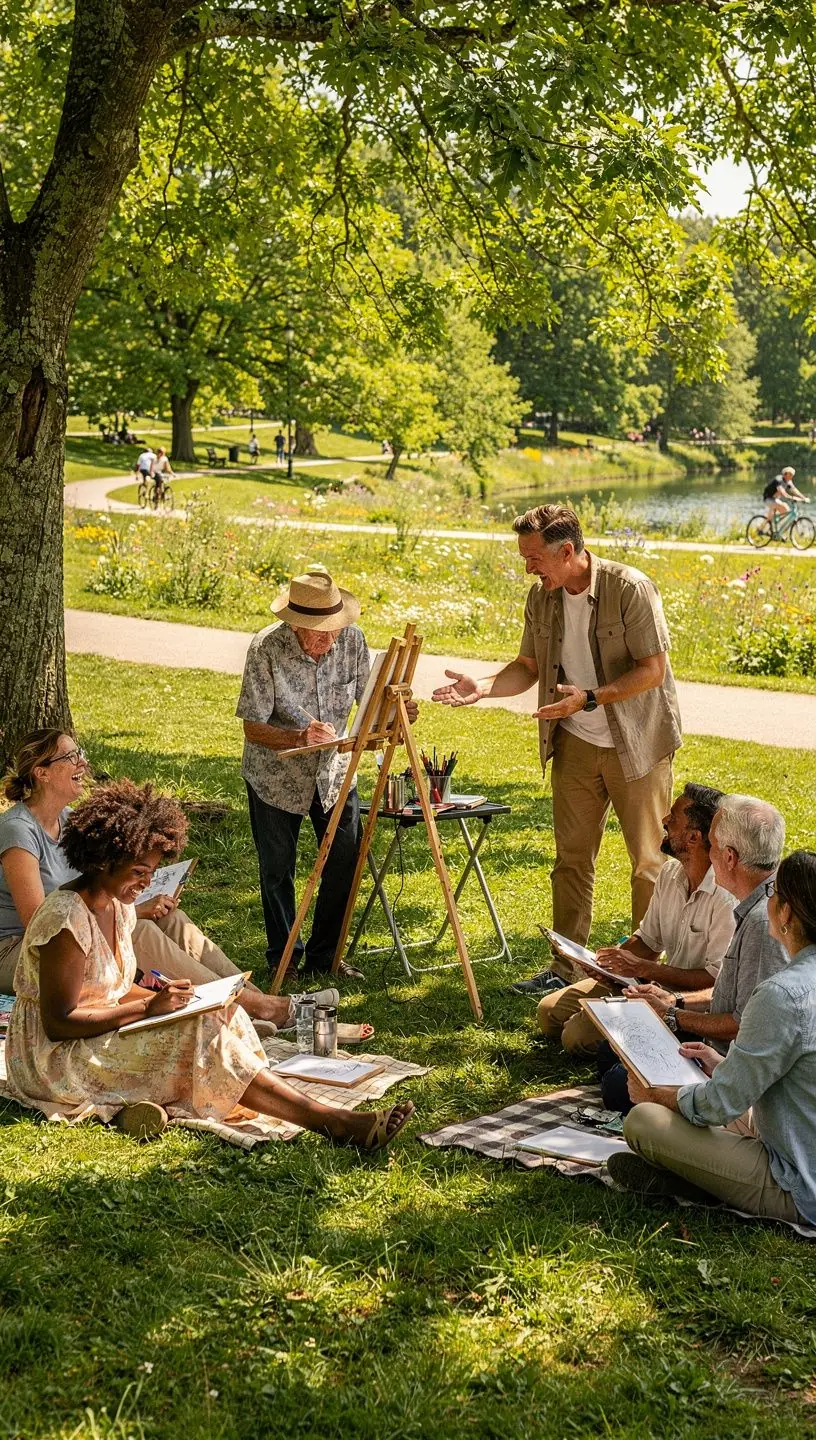
"Art therapy enables individuals to express feelings that may be difficult to communicate in traditional therapy."
The Role of Mindfulness
Mindfulness involves paying attention to the present moment without judgment. It encourages individuals to observe their thoughts and feelings as they occur, which can be beneficial during the creative process in art therapy. Studies show that incorporating mindfulness into therapeutic practices can reduce symptoms of anxiety and depression, enhance emotional regulation, and improve overall mental health.
Why Integrate Mindfulness in Art Therapy?
- Enhanced Focus: Mindfulness practices promote a state of awareness that can help participants engage more deeply with their art, allowing for a richer creative experience.
- Emotional Clarity: Practicing mindfulness can help individuals recognize and process their emotions, facilitating a more profound exploration during art-making.
- Stress Reduction: Research indicates that mindfulness-based interventions can lead to a decrease in stress levels, making it easier for participants to connect with their feelings while creating art.
Practical Application of Mindfulness in Art Therapy
Here’s how mindfulness can be effectively integrated into art therapy sessions:
- Mindful Breathing: Start each session with a few minutes of mindful breathing. This practice helps to center participants and prepare them for creative expression.
- Present Moment Awareness: Encourage individuals to focus on the sensations of the materials they are using. For instance, they can pay attention to the texture of the paint or the sound of the brush on the canvas.
- Reflection: After the art-making process, allocate time for participants to reflect on their experience. This can involve discussing their feelings during the creative process or observing what they created without judgment.
Setting Realistic Expectations
While integrating mindfulness into art therapy offers numerous benefits, it’s important to set realistic expectations. Typically, participants may begin to notice changes in their emotional well-being after several sessions—often within a timeframe of 4-6 weeks. However, consistent practice is key, and participants should be encouraged to cultivate mindfulness both in and out of therapy sessions.
Moreover, mastering mindfulness can involve a learning curve. Participants may initially find it challenging to stay present while creating art. It’s essential to approach this practice with patience and dedication.
Conclusion
Incorporating mindfulness into art therapy can enhance emotional expression and promote personal growth. By fostering a deeper awareness of the creative process, individuals can experience a transformative journey through art. While it may require time and effort, the integration of these two powerful practices can significantly improve therapeutic outcomes and enrich the lives of participants.
Learn More