Evaluating the Impact of Art on Emotional Well-being
Art therapy has gained recognition as a valuable tool for enhancing emotional health. This article explores how engaging in artistic activities can influence emotional well-being, supported by research and insights from experts.
Understanding the Basics of Art Therapy
Art therapy involves using creative processes to help individuals express themselves and improve their mental health. Many studies indicate that engaging in artistic activities can significantly alleviate symptoms of anxiety and depression. According to the American Art Therapy Association, art therapy can be effective in various clinical settings, allowing individuals to explore their emotions in a safe and structured environment.

"Research shows that art therapy can lead to measurable improvements in emotional well-being for participants." - American Art Therapy Association
How Art Impacts Emotional Well-being
The positive effects of art on mental health can be attributed to several factors:
- Self-Expression: Art provides a medium for individuals to express feelings that may be difficult to articulate verbally. This can lead to increased self-awareness and emotional clarity.
- Stress Reduction: Engaging in creative activities has been shown to lower cortisol levels, the hormone associated with stress. Many users report feeling more relaxed after participating in art-making sessions.
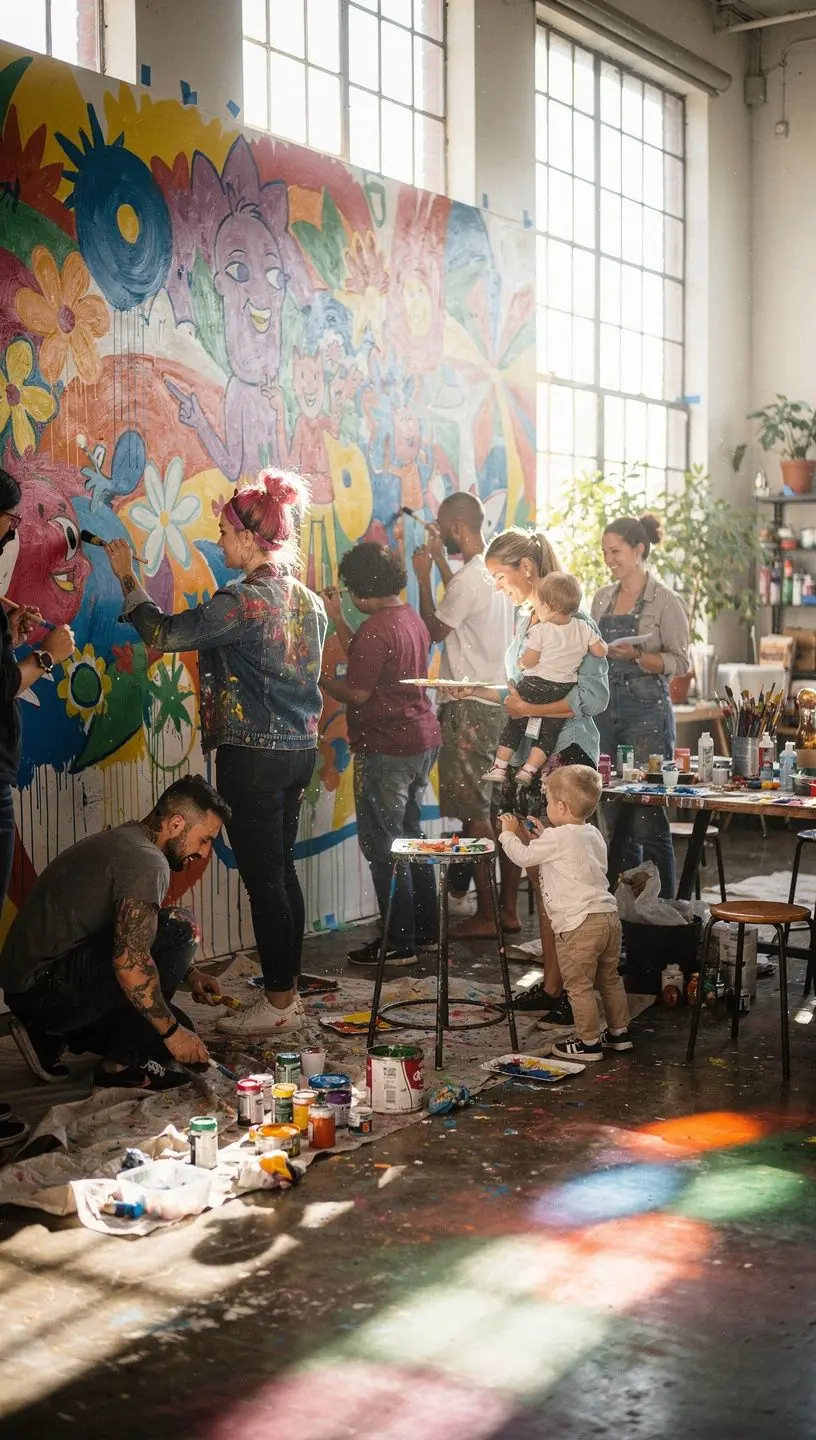
- Community and Connection: Participating in group art therapy sessions allows individuals to connect with others, fostering a sense of belonging and support. This social aspect can enhance the therapeutic experience.
Practical Application of Art Therapy
Implementing art therapy effectively requires some considerations:
- Time Commitment: Most structured art therapy programs typically take several weeks to show significant results. Participants need to commit to regular sessions to experience the full benefits.
- Effort and Engagement: Individuals must be willing to engage actively in the process. This often involves a learning curve in various artistic techniques.
- Suitable Conditions: Art therapy works best when individuals are open to exploring their emotions and are willing to participate in a group setting.
Conclusion
In summary, art therapy presents a reliable approach for enhancing emotional well-being through creative expression. Engaging in structured art programs can help individuals gain insights into their emotions, reduce stress, and connect with others. While the benefits may take time and effort to manifest, many users find art therapy to be an effective addition to their mental health toolkit. If you're considering trying art therapy, look for local creativity centers that offer structured offline programs tailored to your needs.