Creating a Safe Space for Creative Expression
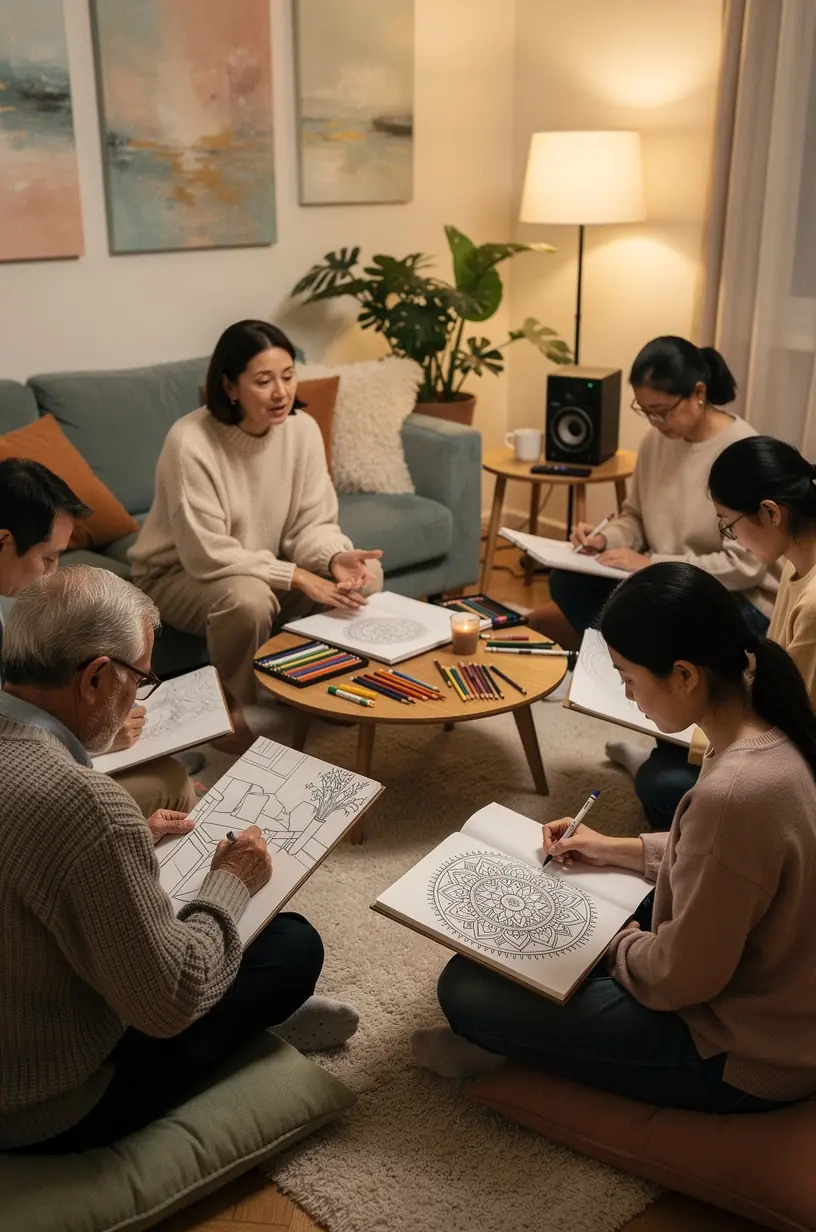
Creating a safe space for creative expression is crucial in art therapy and creativity centers. Such environments can significantly enhance participants' ability to express themselves and explore their emotions effectively. This article discusses the importance of safety in creative spaces, the principles behind them, and practical steps for implementation.
Understanding the Importance of Safety in Creative Expression
According to research, a secure environment can foster creativity and self-expression. When individuals feel safe, they are more likely to engage fully in artistic activities. Studies show that emotional safety allows participants to explore their thoughts and feelings without fear of judgment, leading to greater self-discovery and healing.
"Creating a safe space is not just about physical comfort; it's about emotional security, which is vital for effective creative expression." - Art Therapy Expert
Key Principles for Establishing a Safe Space
- Non-judgmental Environment: It's essential to cultivate a culture where participants can express their thoughts and feelings without fear of criticism. Research indicates that a non-judgmental approach can significantly enhance participation and creativity.
- Confidentiality: Establishing clear guidelines regarding confidentiality can help participants feel secure sharing personal experiences. This principle is widely recognized in therapeutic practices and often leads to deeper emotional engagement.
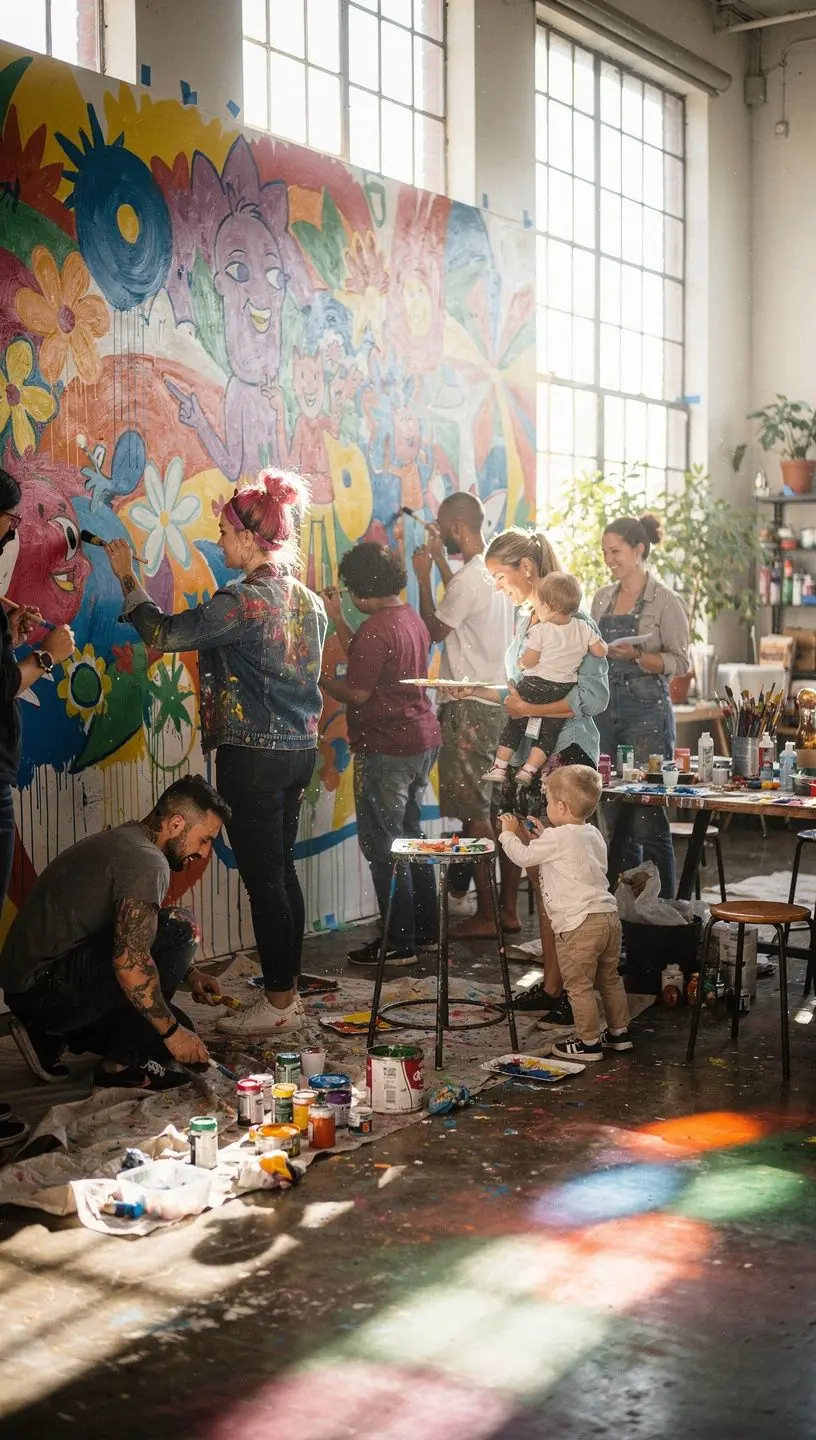
- Inclusivity: Ensuring that the space is welcoming to individuals from diverse backgrounds is crucial. Experts recommend promoting inclusivity to foster a sense of belonging, which enhances creative expression.
Practical Steps to Create a Safe Creative Space
Implementing a safe creative space requires time and effort, but the benefits can be profound. Here are some actionable steps:
- Set Clear Guidelines: Establishing ground rules for participation can help maintain a respectful and supportive atmosphere. This process typically involves a group discussion to ensure everyone has input.
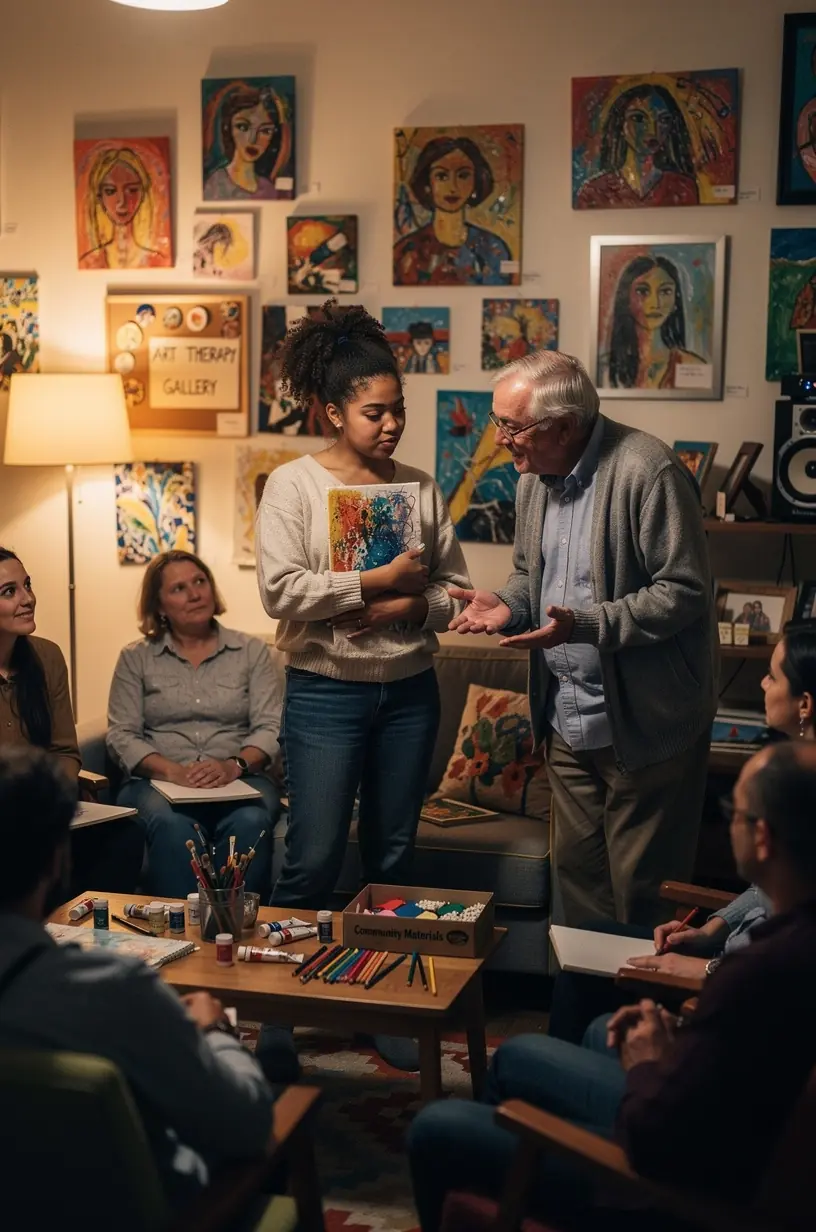
- Encourage Open Communication: Facilitate discussions about feelings and experiences related to creative work. Regular check-ins can help participants feel valued and understood, promoting trust within the group.
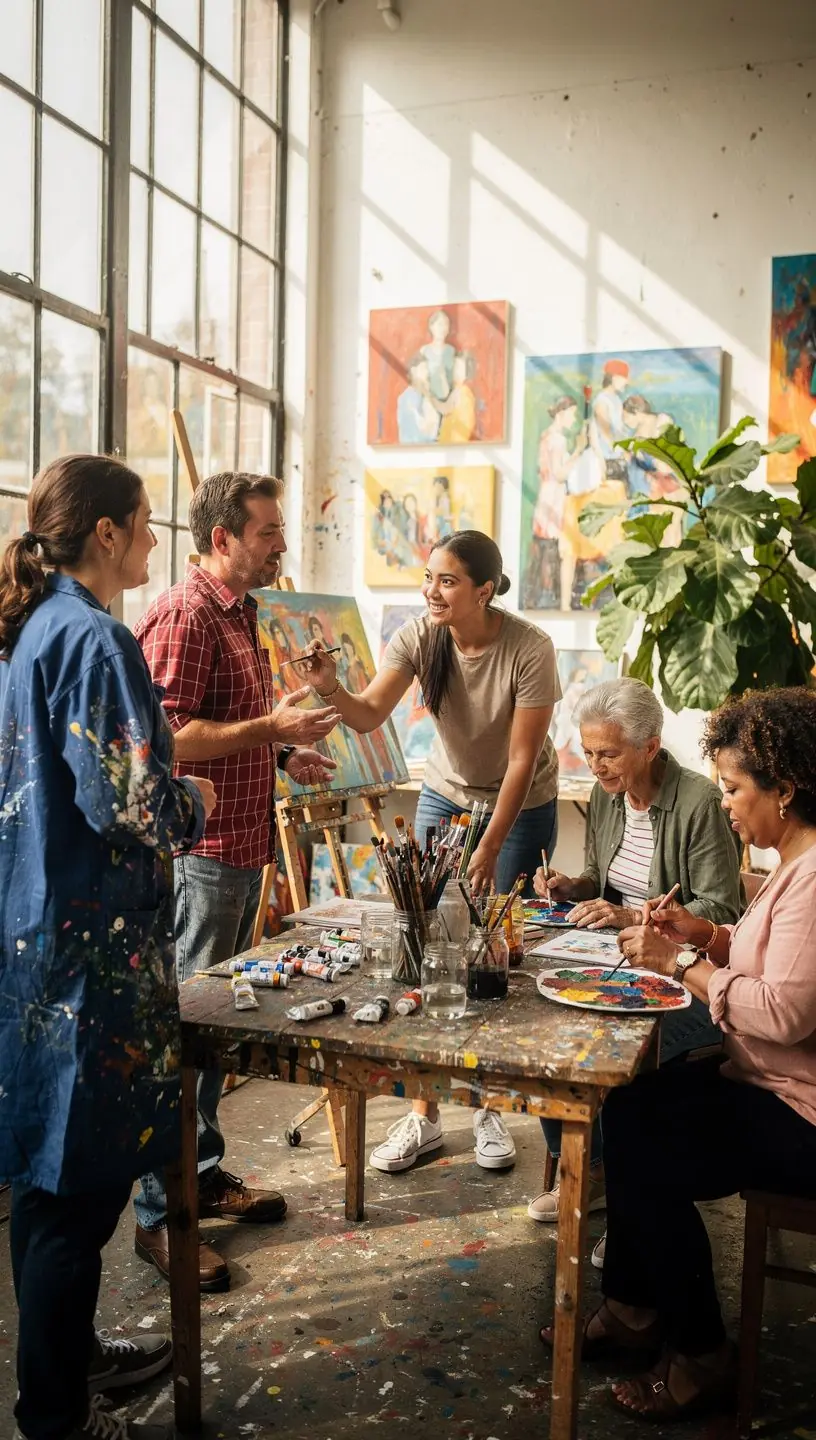
- Offer Diverse Creative Mediums: Providing various materials and methods allows individuals to choose how they want to express themselves. This flexibility can accommodate varying comfort levels and creative preferences.
Conclusion
Creating a safe space for creative expression is a critical component of successful art therapy and creativity programs. By prioritizing emotional safety, establishing inclusive practices, and implementing clear guidelines, facilitators can help participants engage more deeply with their creative processes. While building this environment requires dedication and time, the positive impact on participants' emotional well-being and creativity can be significant. Remember, a supportive atmosphere fosters not only artistic expression but also personal growth.