Practical Tips for Starting an Art Therapy Practice
Starting an art therapy practice can be a rewarding endeavor, but it requires careful planning and a solid understanding of the field. This article provides practical tips to help you navigate the initial steps of establishing your practice.
Understanding the Basics of Art Therapy
Art therapy is a form of psychotherapy that uses creative expression to help individuals explore their emotions, reduce anxiety, and enhance well-being. According to the American Art Therapy Association, the effectiveness of art therapy lies in its ability to provide a non-verbal outlet for feelings, offering individuals a way to communicate their thoughts and emotions through visual art.
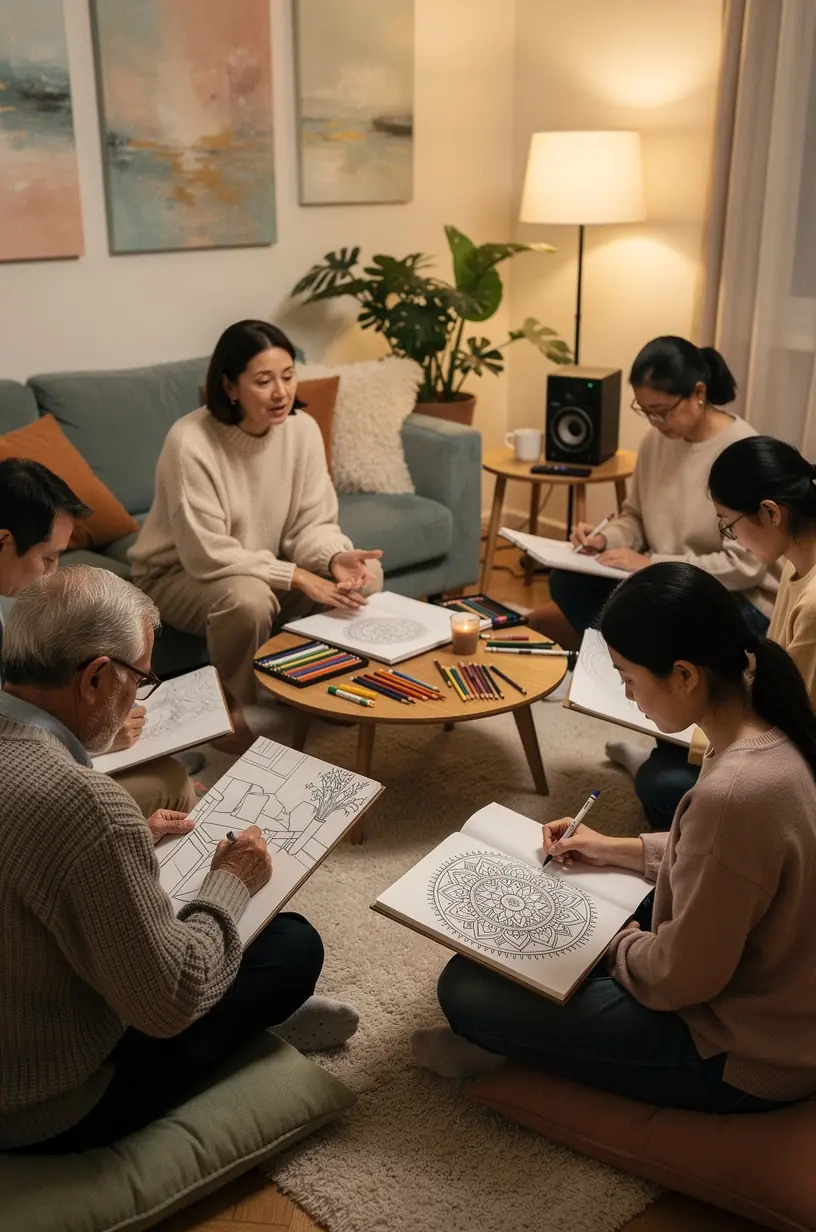
"Art therapy can often lead to improved emotional regulation and personal insight." – American Art Therapy Association
Essential Steps to Begin Your Practice
- Obtain the Necessary Qualifications: Many states require art therapists to have a master's degree in art therapy or a related field. According to industry standards, it's essential to complete a program accredited by the American Art Therapy Association to ensure you receive comprehensive training.
- Understand Legal and Ethical Requirements: Familiarize yourself with state regulations regarding licensure and ethics in therapy practices. This often involves understanding client confidentiality, mandatory reporting laws, and ethical considerations related to art therapy.
- Develop Your Therapeutic Approach: Consider what populations you wish to work with and tailor your approach accordingly. Research indicates that art therapy can be particularly effective for children, individuals with PTSD, and those dealing with chronic illnesses.
Creating a Comfortable Environment
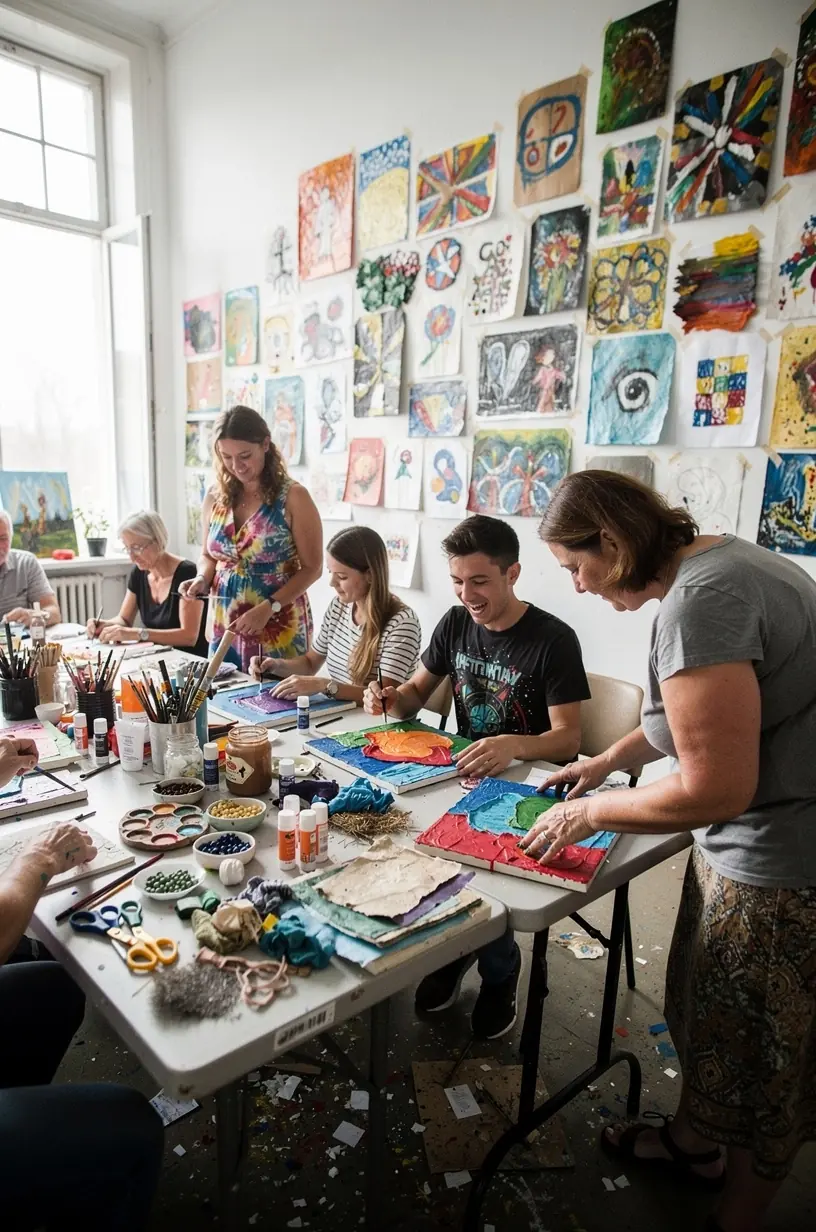
The environment in which you conduct therapy sessions plays a significant role in the comfort and effectiveness of the process. Many experts recommend that therapy spaces should be welcoming and equipped with various art supplies to encourage creativity. This may include:
- Painting materials
- Drawing tools
- Collage materials
Setting up a comfortable, inviting space may help clients feel more at ease, which can enhance their willingness to express themselves creatively. Research shows that a supportive environment can lead to better therapeutic outcomes.
Continuous Education and Networking
As in many fields, continuous education is vital in art therapy. Attending workshops, conferences, and pursuing further certifications can enhance your skills and keep you updated on the latest therapeutic techniques. Establishing a network with other professionals can provide valuable support and collaboration opportunities.
Experts suggest joining organizations such as the American Art Therapy Association, which can provide resources, networking opportunities, and professional development options.
Conclusion
Starting an art therapy practice can be fulfilling, but it involves time, dedication, and a commitment to professional growth. By obtaining the necessary qualifications, understanding legal requirements, creating a supportive environment, and engaging in continuous education, you can build a successful art therapy practice. Remember, while the journey may be challenging, the potential to positively impact others' lives is profound.
Learn More