How Creativity Centers Support Mental Health
In recent years, creativity centers have gained recognition as valuable resources for enhancing mental health. These centers offer structured offline programs that harness the power of art and creativity to promote emotional well-being. This article explores how creativity centers support mental health, the methodologies they employ, and what participants can realistically expect from these programs.
Understanding the Importance of Creativity in Mental Health
Research indicates that engaging in creative activities can significantly improve mental health outcomes. According to a study published in the Journal of the American Art Therapy Association, creative expression often helps individuals process emotions, reduce stress, and improve mood. The principle behind this is that the act of creating—whether through painting, music, or writing—stimulates brain regions associated with pleasure and emotional regulation.

"Engaging in creative activities can lead to reductions in anxiety and depression, making it a valuable tool for mental health." - American Psychological Association
How Creativity Centers Operate
Creativity centers typically offer a range of structured programs designed to cater to different interests and skill levels. These programs often include:
- Art therapy workshops: Guided sessions where participants create art under the supervision of trained therapists.
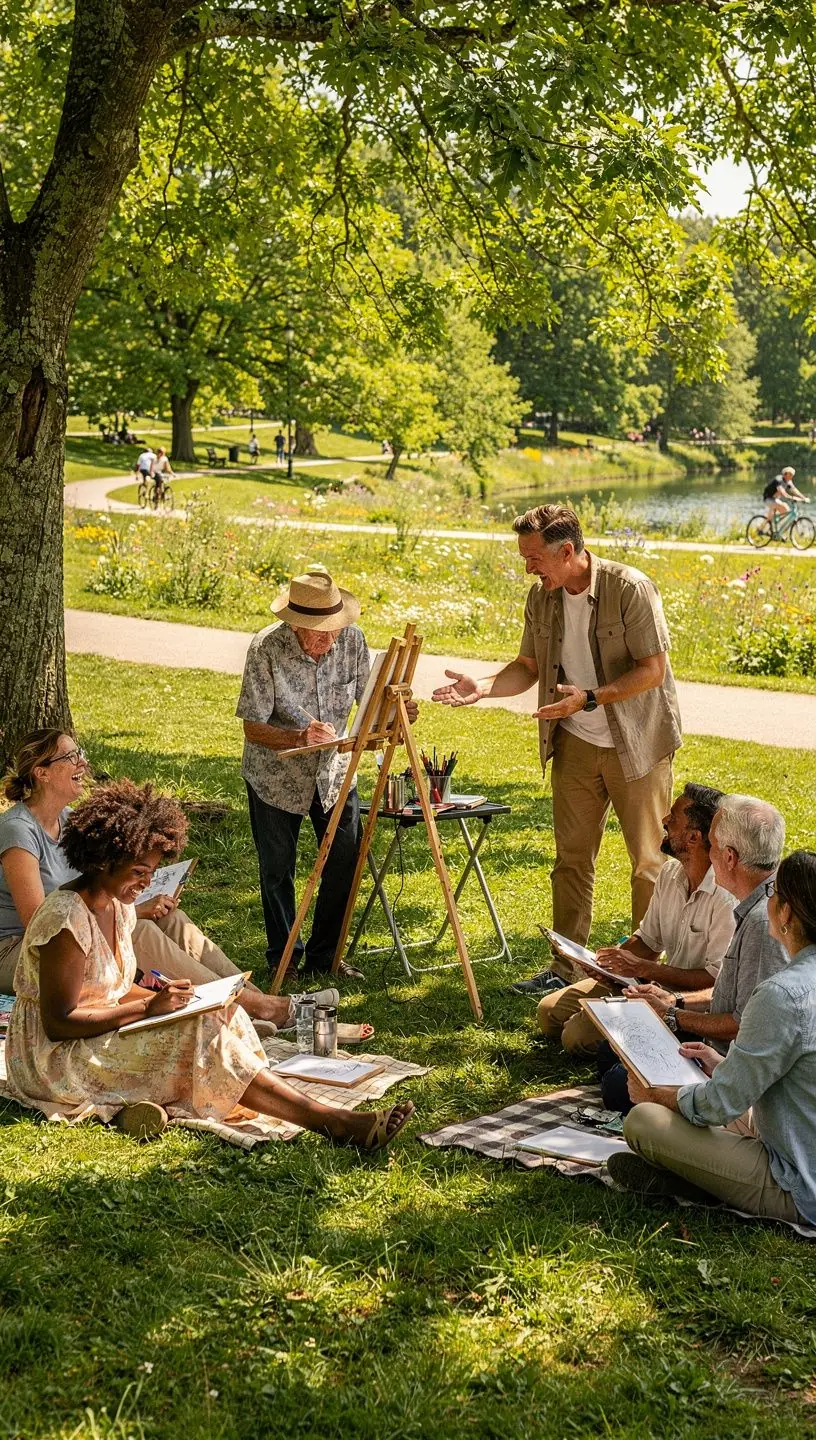
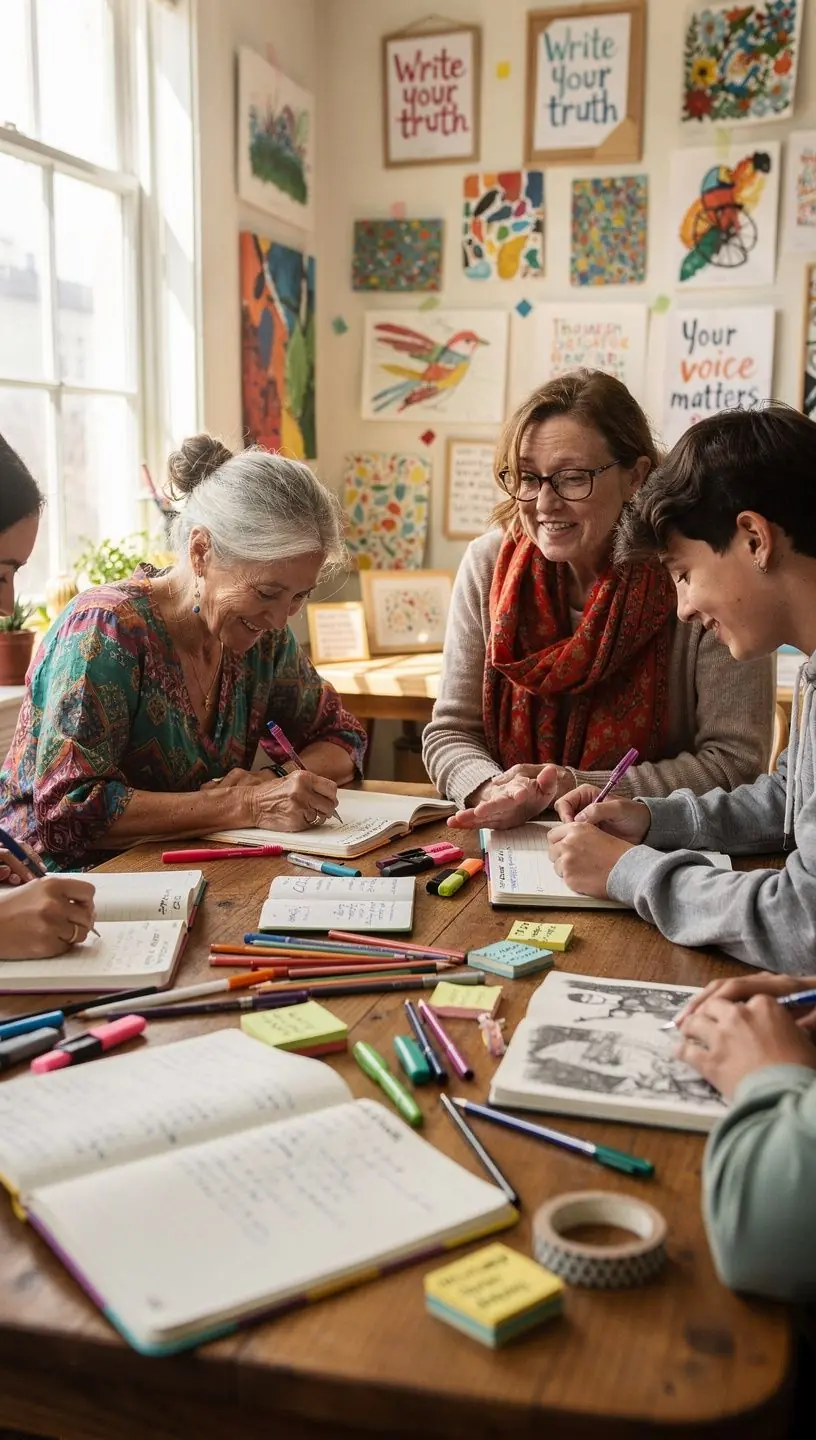
- Group creative sessions: Opportunities to collaborate with others, fostering a sense of community.
- Open studio time: Flexible hours for individuals to explore their creativity independently.
These activities are grounded in evidence-based practices, emphasizing a supportive environment that encourages self-expression and exploration. For example, art therapy workshops often follow a structured approach where participants are guided through specific techniques, promoting both skill development and emotional expression.
Realistic Expectations and Commitments
Participating in creativity center programs typically requires a time commitment of several weeks or months, depending on the course structure. Many participants report that consistent attendance—often recommended at least once a week—enhances their experience and outcomes. It's important to note that while many users experience positive effects, results can vary based on individual circumstances and prior experience with creative activities.
Additionally, beginners may face a learning curve as they adapt to new forms of expression. In most cases, the most significant improvements in mental health are observed when participants are open to exploring different techniques and engaging with the community.
Conclusion
Creativity centers serve as valuable safe spaces for individuals seeking to improve their mental health through artistic expression. By providing structured programs that promote creativity and community engagement, these centers can help many people navigate the complexities of their emotional landscapes. While results may vary and require time and dedication, engaging in creative activities has proven to be an effective approach for those looking to enhance their well-being.
For anyone considering participation in a creativity center, it's essential to approach the experience with an open mind and realistic expectations. By doing so, individuals can unlock their potential for healing and personal growth through the transformative power of creativity.
Learn More