The Benefits of Structured Art Programs
Structured art programs offer a myriad of benefits for individuals seeking to enhance their creativity and emotional well-being. These programs, often found in art therapy and creativity centers across the US, are designed to provide supportive environments that foster artistic expression.
Understanding the Basics
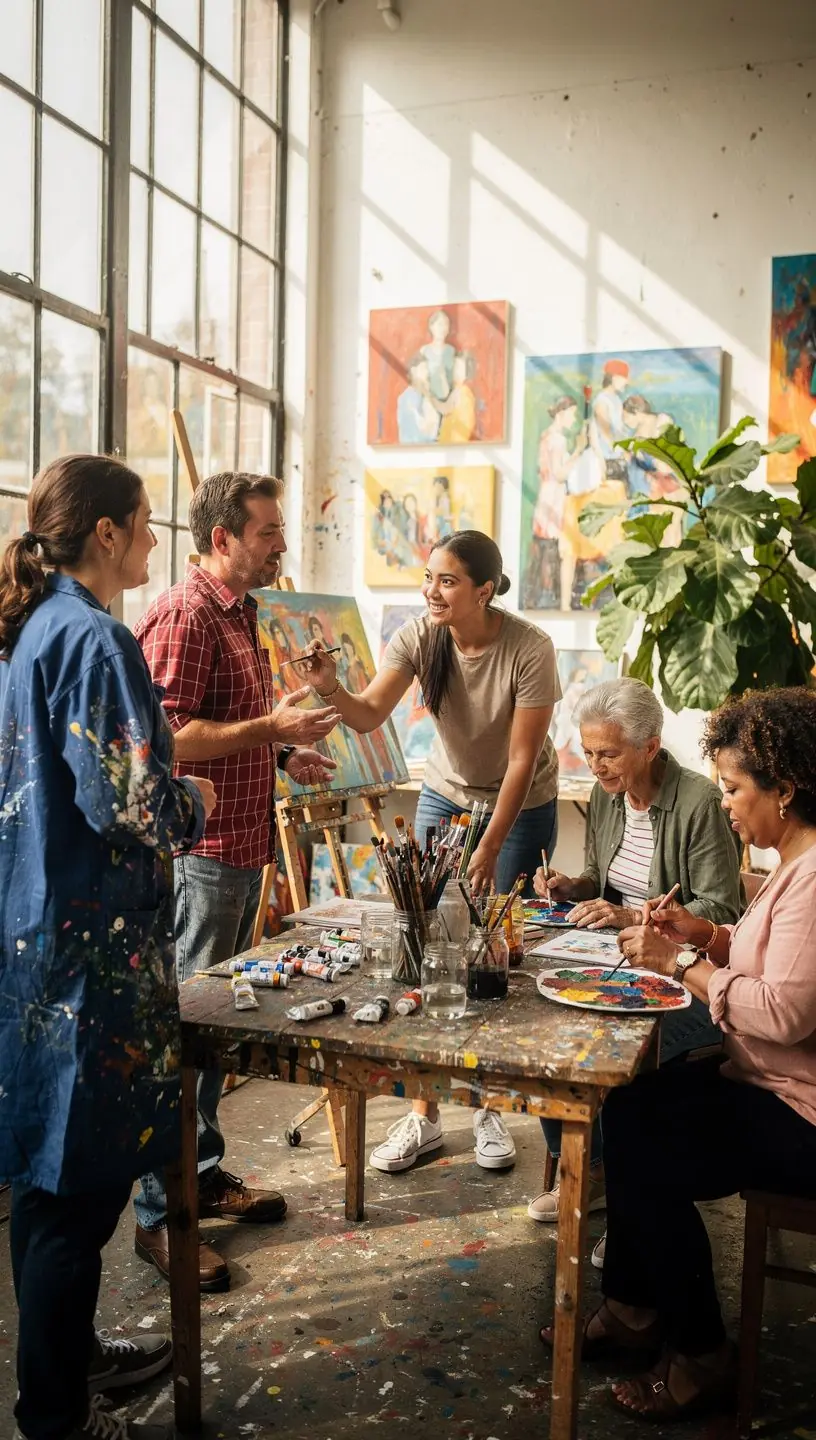
Structured art programs typically incorporate a variety of artistic mediums and techniques, guided by trained professionals. Research shows that art therapy can significantly reduce anxiety and improve overall mental health. According to the American Art Therapy Association, engaging in art-making can stimulate brain activity, helping individuals process emotions in a non-verbal way.

"Art therapy is a powerful tool. It encourages self-expression and can lead to significant improvements in emotional well-being." - American Art Therapy Association
Why Structured Programs Matter
Structured art programs go beyond mere creative expression. They often include:
- Guidance from Professionals: Many programs are led by certified art therapists who understand the therapeutic processes involved in art-making. They tailor sessions to the needs of participants, ensuring a supportive atmosphere.
- Regular Scheduling: Consistency is crucial. Structured programs typically meet weekly or bi-weekly, allowing participants to build upon their skills gradually. This structure can enhance commitment and promote long-lasting benefits.
- Focused Themes: Programs often revolve around specific themes or projects, which can help participants dive deeper into their artistic explorations. This focused approach can help enhance creativity and self-discovery.
Practical Application of Structured Art Programs
Engaging in structured art programs can provide numerous benefits, including:
- Improved Emotional Regulation: Participants often report better management of their emotions through the creative process. This occurs because art-making allows individuals to express feelings that may be difficult to articulate verbally.
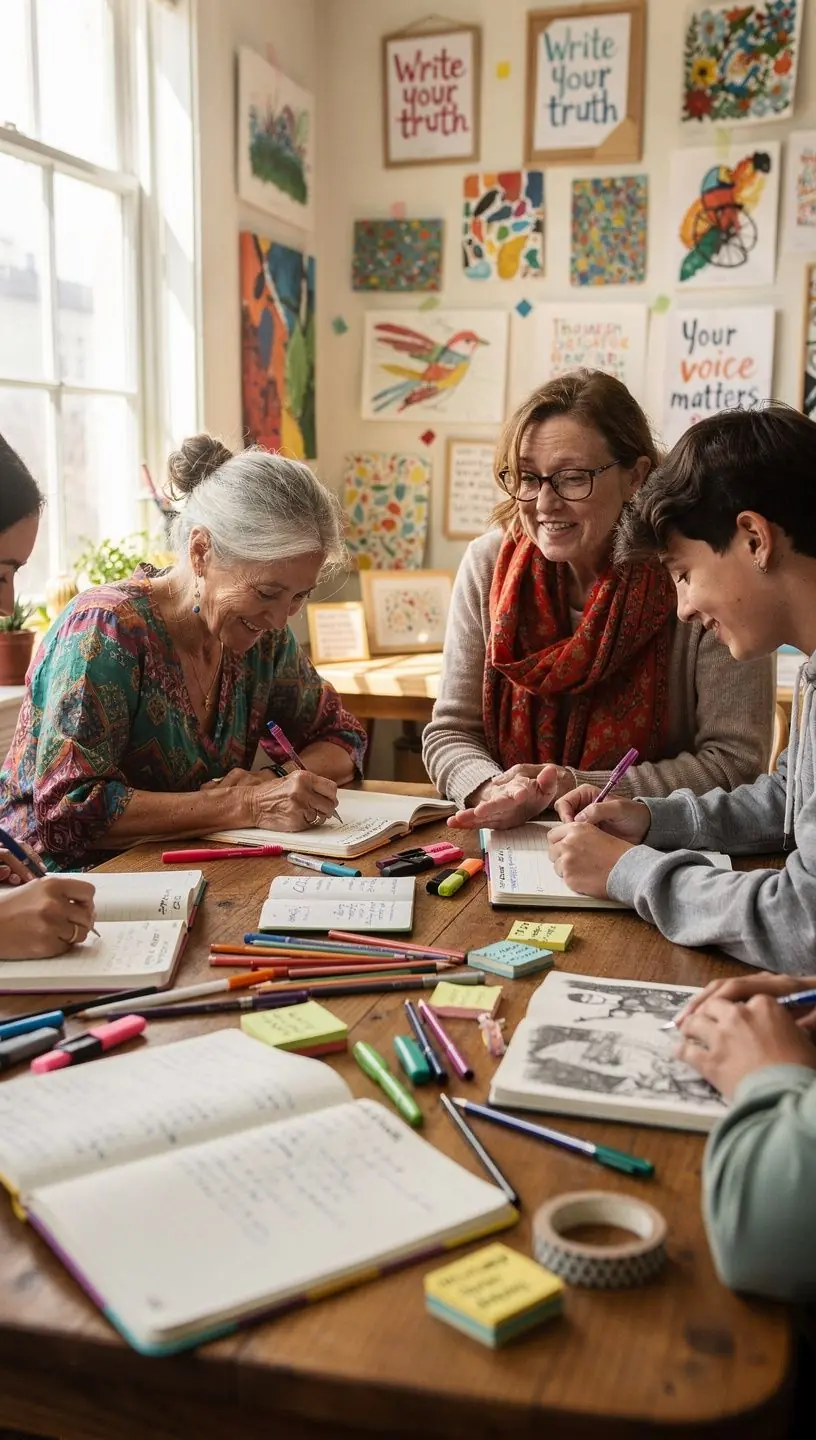
- Enhanced Social Skills: Many programs encourage group participation, which can help individuals develop social connections and improve communication skills. This is particularly beneficial for those who may feel isolated.
- Skill Development: Structured programs typically introduce participants to various artistic techniques and mediums, allowing for the development of new skills over time. This may boost confidence and provide a sense of accomplishment.
Acknowledging Limitations
While structured art programs offer many benefits, it is essential to acknowledge their limitations:
- These programs typically require a commitment of time, often spanning several weeks or months, for participants to see significant improvements.
- Success may vary depending on individual circumstances, including previous experience with art, emotional readiness, and personal goals.
- Not all programs may be suitable for everyone, particularly those who may need more specialized mental health support. It is advisable to consult with a mental health professional before enrolling.
Conclusion
Structured art programs present a reliable avenue for improving emotional health and fostering creativity. By understanding the framework and limitations of these programs, individuals can make informed decisions about their participation. As experts in the field advocate, these programs encourage both personal growth and community connection, making them valuable resources for artistic exploration.
Learn More