How to Facilitate Group Art Therapy Sessions
Facilitating group art therapy sessions can be a powerful way to foster creativity, promote healing, and build community. This guide will provide insights into effective strategies, methodologies, and realistic expectations to help you facilitate meaningful art therapy experiences.
Understanding the Foundations of Art Therapy
Art therapy integrates creative processes with therapeutic principles to support mental health and emotional well-being. According to the American Art Therapy Association, art therapy can help individuals express feelings that may be difficult to verbalize. This is critical, as many users report that self-expression can lead to improved emotional awareness and relief from stress.
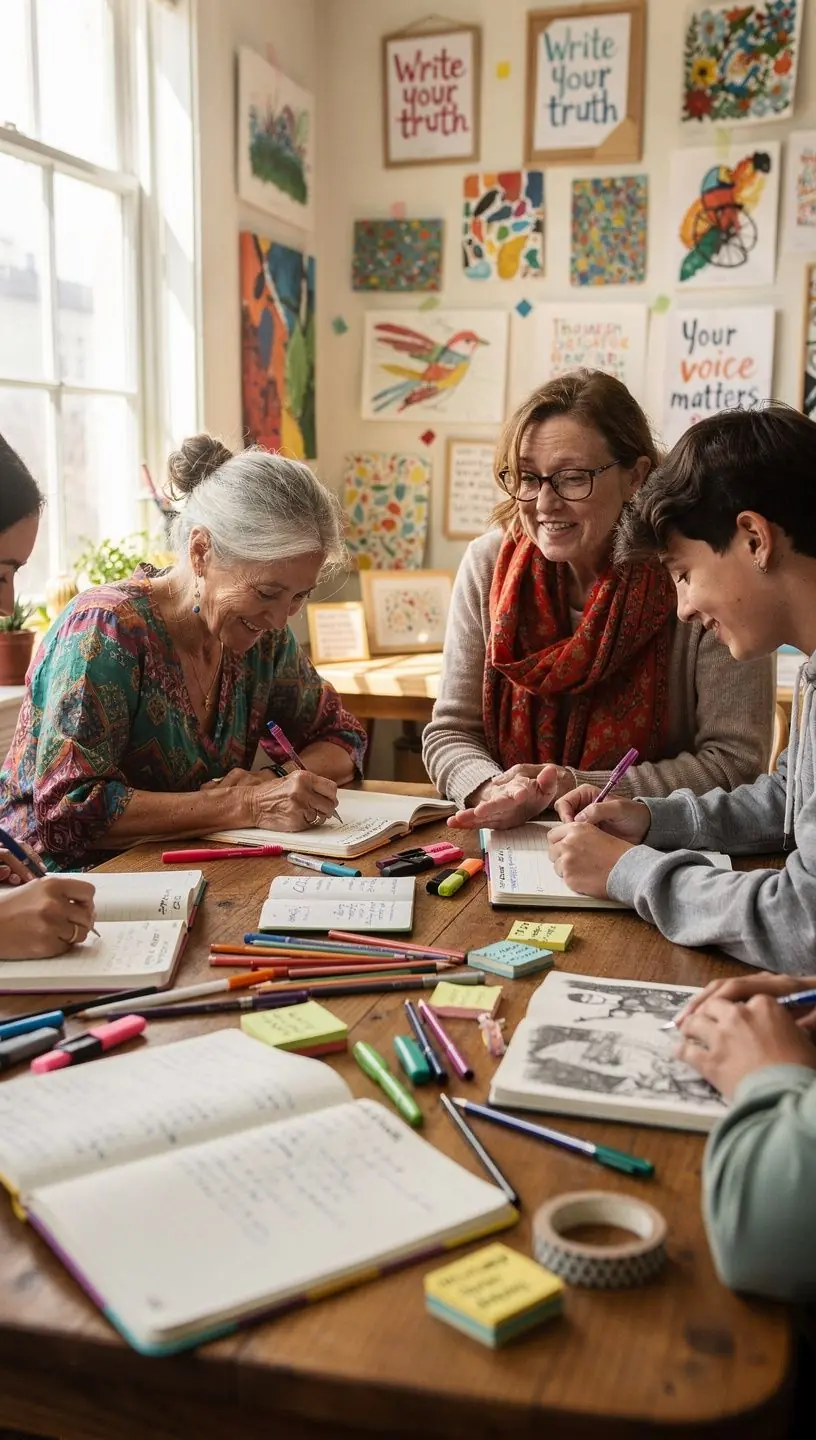
"Art therapy is about the process of creating, not the final product. It allows for exploration without judgement." - Art Therapy Expert
Key Considerations for Group Sessions
Facilitating group art therapy sessions involves several important considerations:
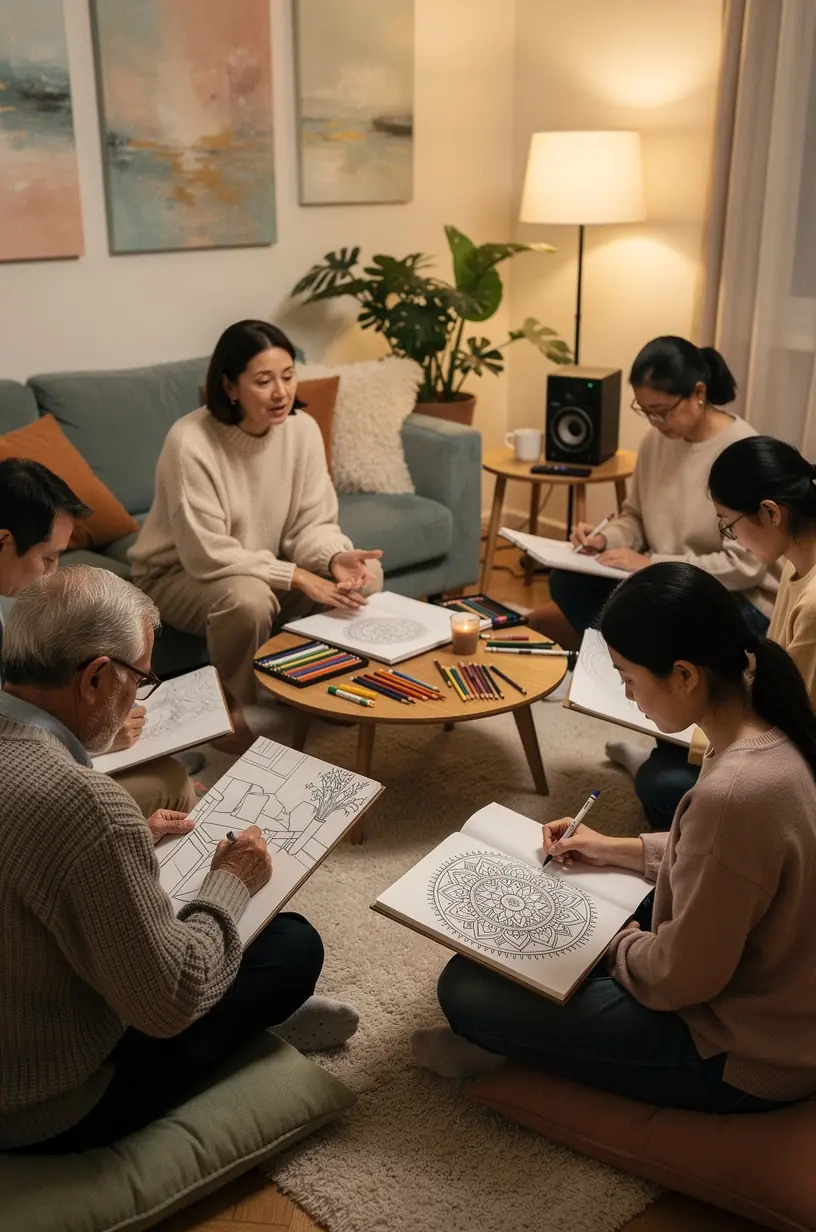
- Group Dynamics: Understanding how group dynamics work is essential. Research indicates that a supportive environment often leads to greater participation and engagement. Aim for a balance that encourages both individual expression and collective sharing.
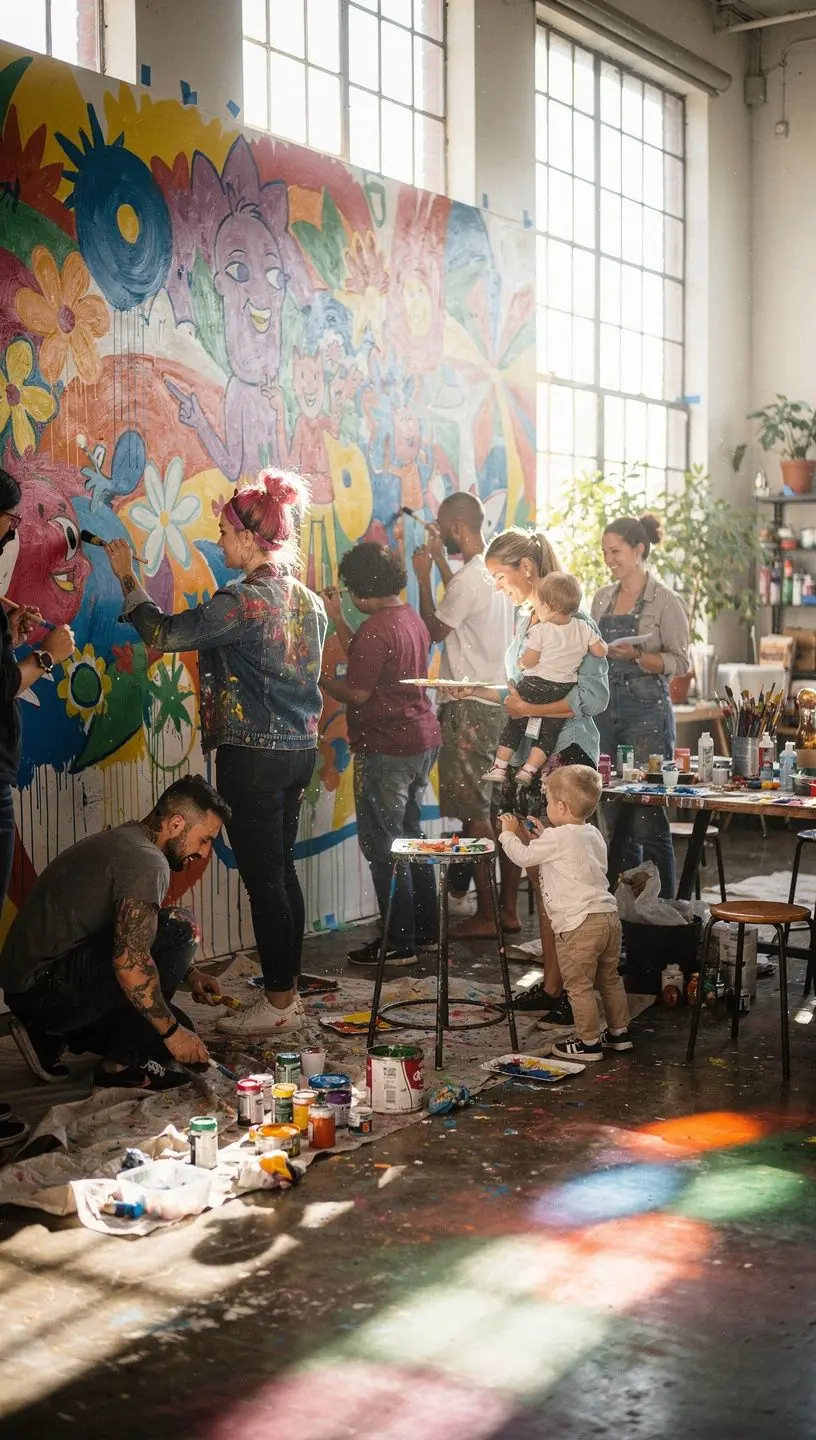
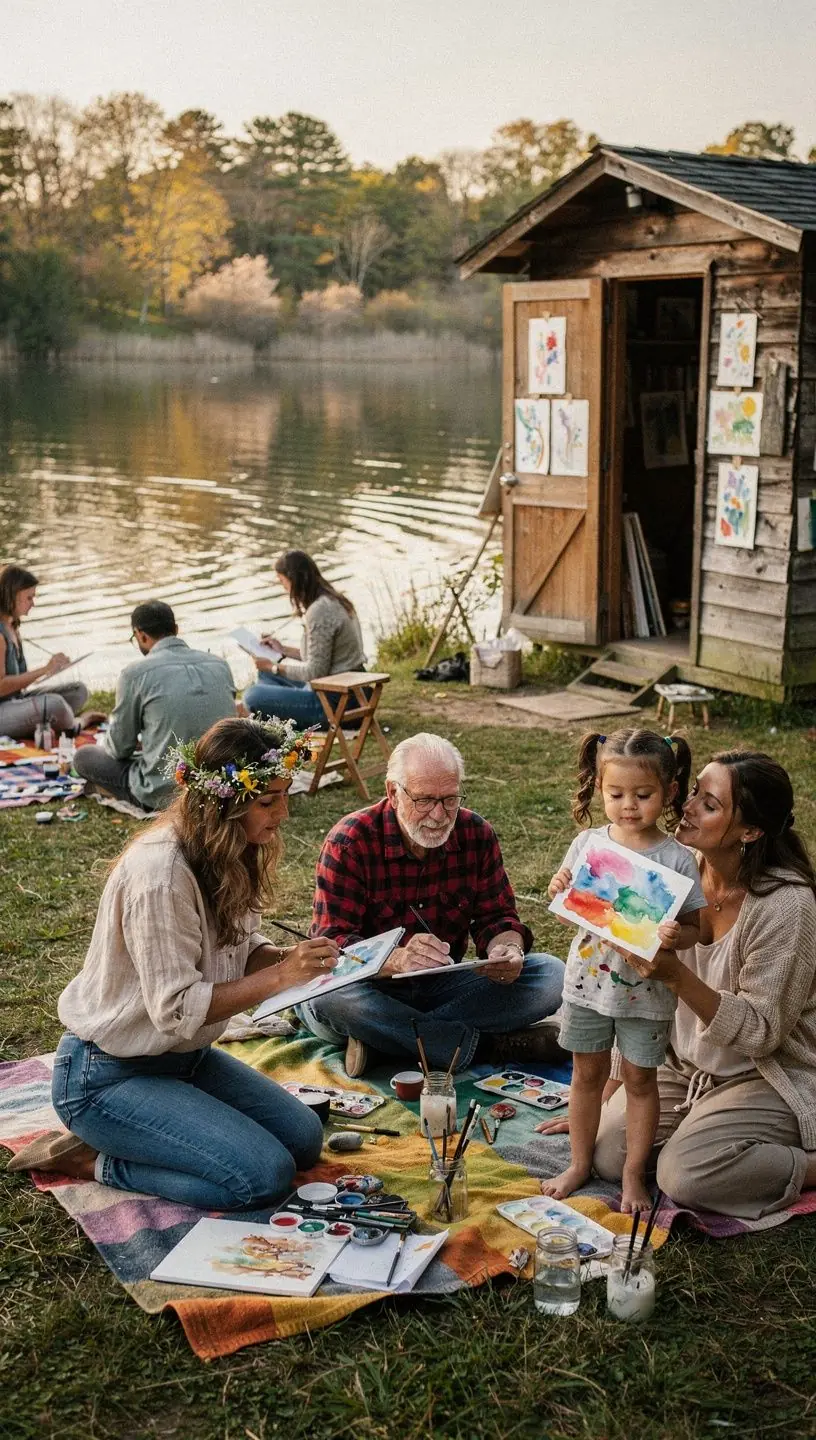
- Materials and Space: Ensure that you have a variety of materials that cater to different artistic skills, including paints, pastels, and collage materials. Creating a comfortable and inviting space can encourage creativity and reduce anxiety.
- Facilitator Role: As a facilitator, your role is to guide the session while allowing participants to explore their creativity freely. Experts often recommend asking open-ended questions to encourage reflection and discussion during the creative process.
Facilitation Techniques for Success
Implementing structured approaches can enhance the effectiveness of your sessions:
- Set Clear Intentions: Begin each session by establishing clear intentions. This could involve discussing the goals of the session and what participants hope to achieve. Setting these expectations can help focus the group’s energy and creativity.
- Encourage Personal Expression: Remind participants that there are no right or wrong ways to create art. This principle is key; studies show that an emphasis on personal expression can lead to increased satisfaction and a sense of accomplishment.
- Reflection and Sharing: Allow time for participants to share their work and insights. This aspect of the session can foster connection and deepen understanding, as many users report feeling more bonded with others after sharing their experiences.
Addressing Challenges
While facilitating group art therapy sessions can be rewarding, it’s important to acknowledge potential challenges:
- Some participants may feel unsure about their artistic abilities. Reassure them that the focus is on the process, not the outcome.
- Group dynamics can sometimes lead to conflict. Establishing ground rules at the beginning of the session can help manage these situations effectively.
- It’s essential to remain flexible. Each group will have its unique rhythm and needs, which may require adapting your facilitation style accordingly.
Conclusion
Facilitating group art therapy sessions can be a fulfilling endeavor that promotes personal growth and community building. By adopting effective strategies, understanding group dynamics, and remaining adaptable, you can create a nurturing environment that encourages self-expression and healing. Remember, it typically takes time for participants to feel comfortable and engaged, so patience and consistency in your approach are key to achieving positive outcomes.
Learn More