Understanding Different Art Therapy Techniques
Art therapy is a powerful tool that can enhance mental health and foster creativity. This article explores various art therapy techniques, explaining their methodologies and potential benefits. By understanding these approaches, individuals can better navigate their emotional landscapes and find effective outlets for expression.
What is Art Therapy?
Art therapy integrates therapeutic practices with artistic expression. It is designed to help individuals explore their feelings, improve self-esteem, and manage emotional conflicts. According to the American Art Therapy Association, art therapy is particularly effective for individuals who may find it challenging to communicate verbally, thereby allowing for a more profound exploration of emotions through creative means.
"Art therapy often enables individuals to express their inner thoughts and feelings without the constraints of traditional verbal communication." – American Art Therapy Association
Popular Art Therapy Techniques
There are several recognized art therapy techniques, each with its unique methodology and focus. Here are a few commonly used approaches:
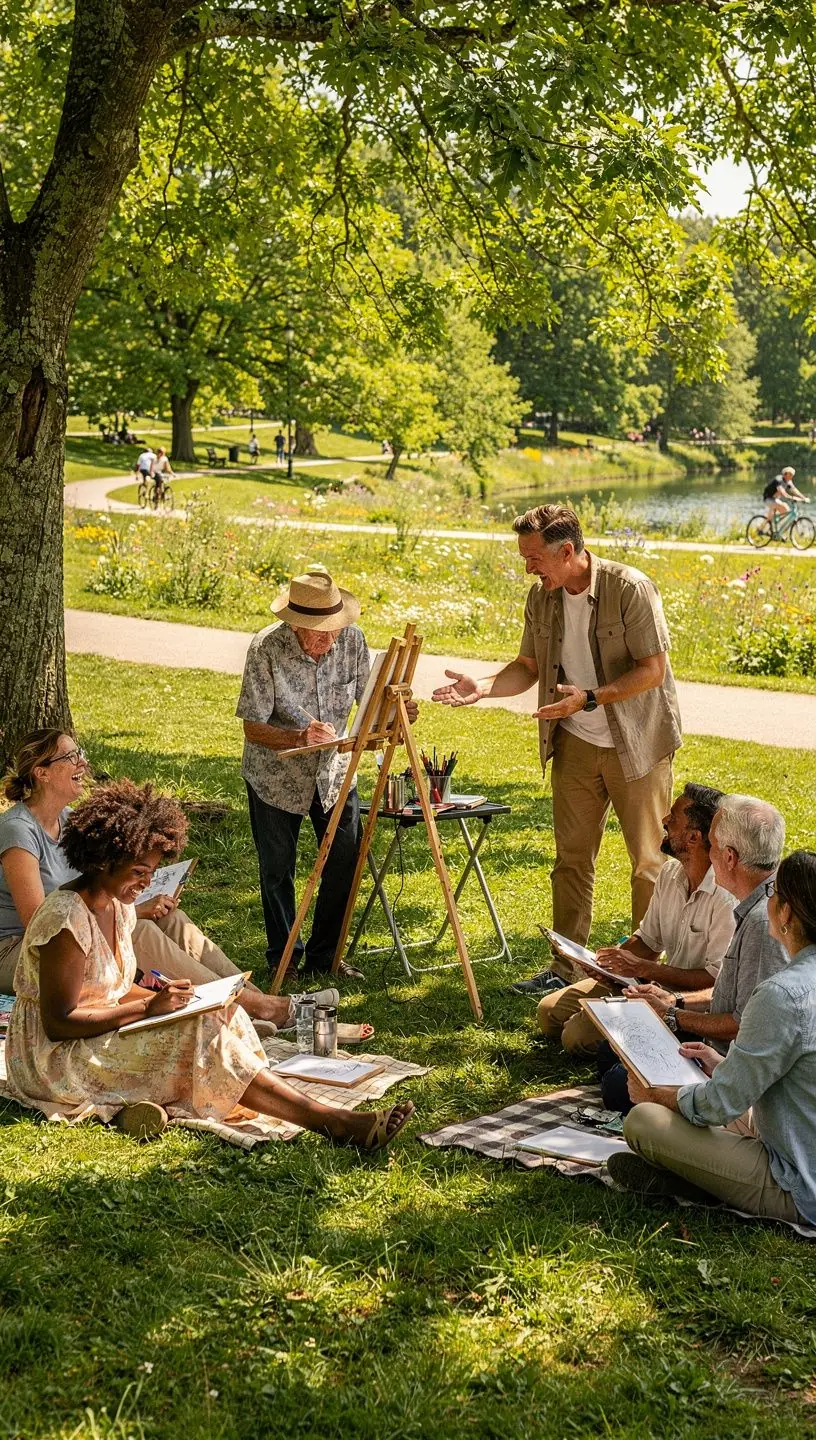
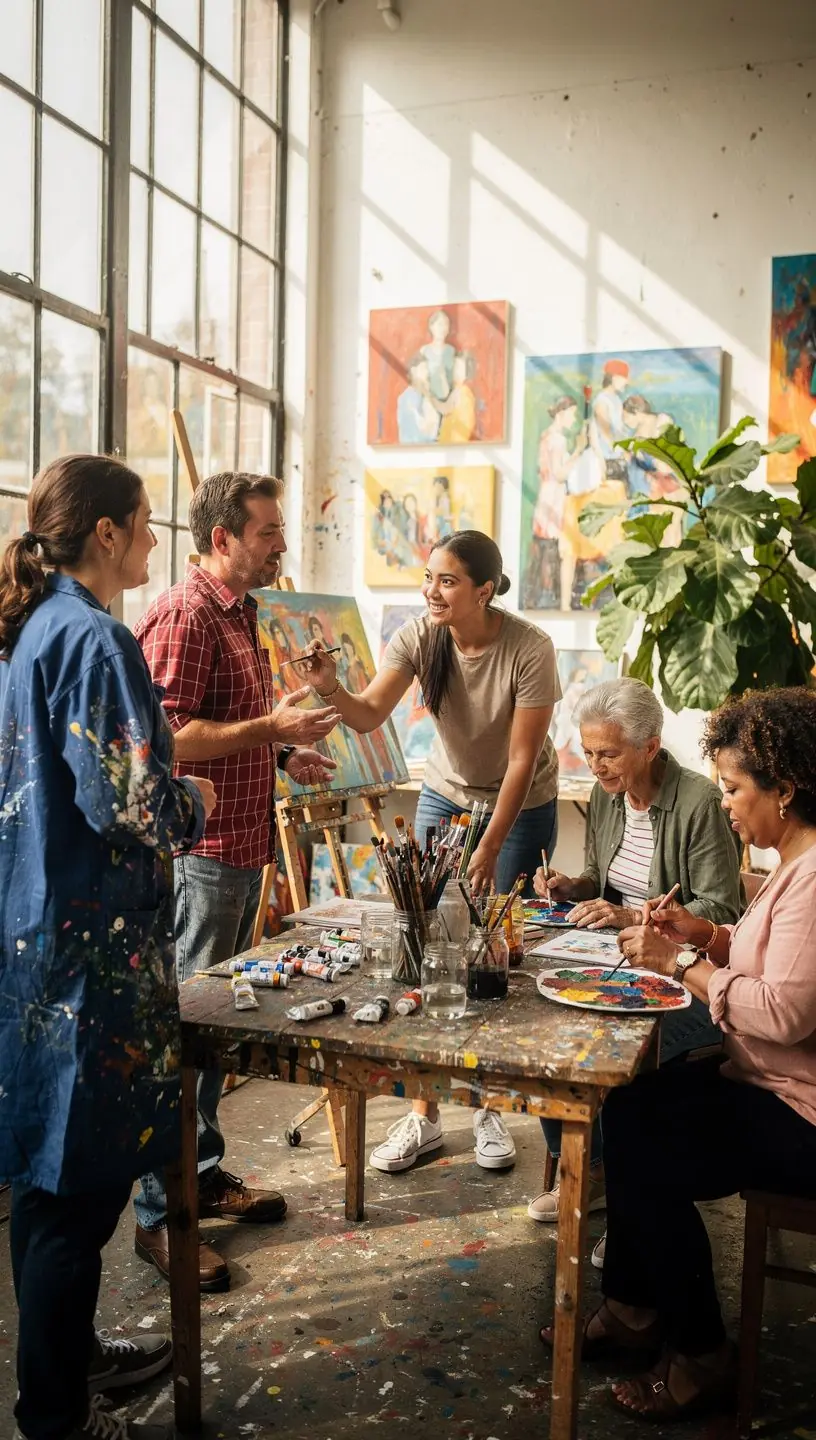
- Painting and Drawing: These techniques involve using color and form to express feelings intuitively. Research indicates that engaging in painting can lead to a reduction in stress and anxiety levels.
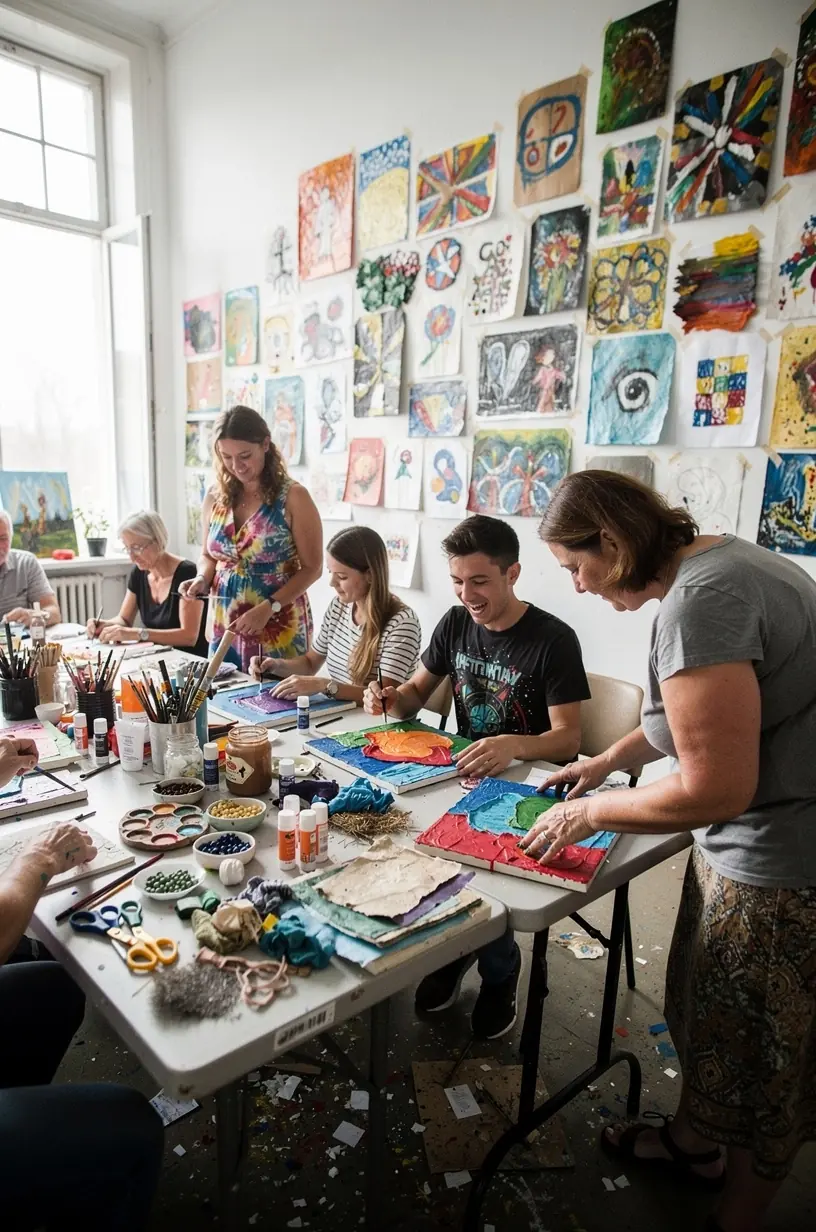
- Collage Creation: This technique allows individuals to cut and assemble images from various sources, encouraging creativity and self-reflection. It can help individuals gain insights into their personal experiences.
- Sculpting: Working with three-dimensional materials can provide tactile and sensory experiences that promote emotional release. Many therapists report that sculpting can help clients process complex emotions.
How Art Therapy Works
Art therapy sessions typically involve a structured approach where a trained art therapist guides participants through creative exercises. The underlying principle is that artistic expression can unlock emotional insights that may be difficult to articulate. For example, by using specific colors or shapes, individuals might unknowingly express feelings of joy, anger, or sadness. This works because engaging in creative activities can trigger brain responses that promote emotional healing and cognitive processing.
Benefits of Art Therapy
Studies show that art therapy can offer numerous benefits, including:
- Improved Emotional Well-Being: Many participants report feeling more at ease and emotionally balanced after engaging in art therapy sessions.
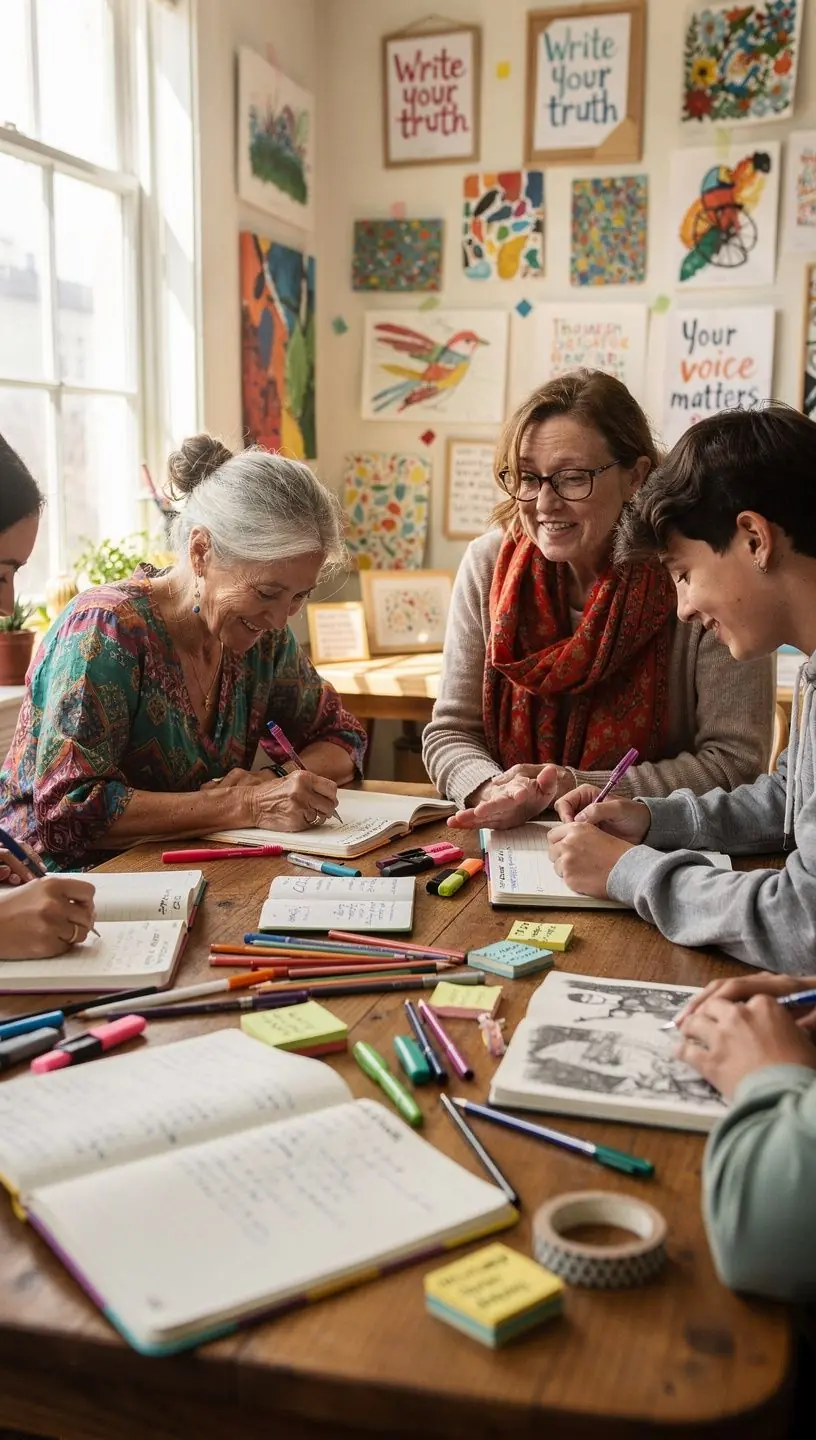
- Enhanced Self-Expression: Individuals often discover new ways to communicate their feelings through art, which can help in processing trauma or grief.
- Skill Development: Art therapy can also aid in developing new skills, such as resilience and stress management techniques, which are beneficial in everyday life.
Challenges and Considerations
While art therapy has proven effective for many, it is essential to acknowledge some limitations. Participation in art therapy typically requires commitment and may take time — goals are often achieved within a timeframe of several weeks to months. Additionally, individuals may need to invest time in understanding various techniques and their applications, which can involve a learning curve. It is worth noting that art therapy may not be suitable for everyone; those with certain physical disabilities might find some techniques challenging without proper adaptations.
Conclusion
Art therapy presents a reliable method for enhancing mental health through creative expression. By understanding and exploring various art therapy techniques, individuals can find pathways to improve their emotional well-being and foster creativity. Engaging in structured programs, particularly in creativity centers, can provide valuable support and guidance on this journey. Remember, while art therapy can be effective, it requires commitment and patience to yield beneficial results.